Icy Road Safety .com :: Prepare for weather's worst hazard
Your help is needed!

Start Here:
You are at Risk

Bridges Ice First!

Danger Zones

Warning Signs

Tips to Remember

The Culprits

If You Slide

If You Wreck

Accident Video

Photo Gallery

F.A.Q.

Statistics

Article Library

Warning Initiative

US Road Conditions

Forecast Data

Updates:
News & Updates
Press Room
IcyRoadSafety.com Facebook page Facebook page
IcyRoadSafety.com Twitter Feed Twitter page

How you can help!

Link Banners

- Site Mission
- Partners
- Contact Us
- Home

458
Deaths in the US
from icy roads
2009-2010 winter
[ More Statistics ]

477
Deaths in the US
from icy roads
2008-2009 winter
[ More Statistics ]

Road Icing: Warning Signs

Often, there are warning signs that you can use to predict impending road icing conditions. Be on the lookout for these signs while on the road during cold weather:
  • Temperatures near or below freezing (32°F or 0°C)
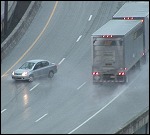
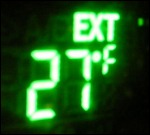
    You don't need to be a meteorologist, but awareness of current and upcoming weather conditions can be your best defense against road icing. Before you leave your home or office to commute, or before you embark on a trip, it is imperative to check both the current weather conditions and the upcoming forecast. Pay close attention to the temperature. If your car has a built-in thermometer, check it regularly as you drive. Temperature readings below 36°F should alert you to the possibilty of road icing. Any type of precipitation falling (snow, sleet or rain) when temperatures are close to or below freezing is the greatest warning sign you can get for imminent road icing conditions.

    Falling snow or sleet can cause temperatures to drop rapidly, so even temperatures as high as 40°F can quickly fall to below freezing in an area of heavy snow or sleet.
     

  • Falling precipitation
    During the winter, any type of precipitation can result in road icing, including rain! It doesn't take much of any precipitation type to cover roadways - even a dusting of snow or a light drizzle can make roads treacherous.
     
  • Ice or snow sticking to your car
    Ice buildup on your windshield wipers, antenna or other parts of your car can be a sign that ice could already be forming on roads and bridges. Keep in mind that many times, however, the roads could already be icy by the time you notice buildup on your car.
     
  • Ice or snow sticking to elevated objects
    Ice and snow will usually (but not always) stick to elevated objects before it begins affecting bridges and roadways. Look for snow or ice on parked cars, highway signs, guardrails and grassy surfaces.
< PREVIOUS: Danger Zones | NEXT: Tips to Remember >

Become a Facebook fanFollow on Twitter
Home | Who is at Risk? | Fatality Stats | Accident Video | Watch for Ice on Bridges | Tips | Warning Signs | If You Slide | If You Wreck

IcyRoadSafety.com web design and hosting provided by CIS Internet